

March: In A Pattern Designer’s Garden
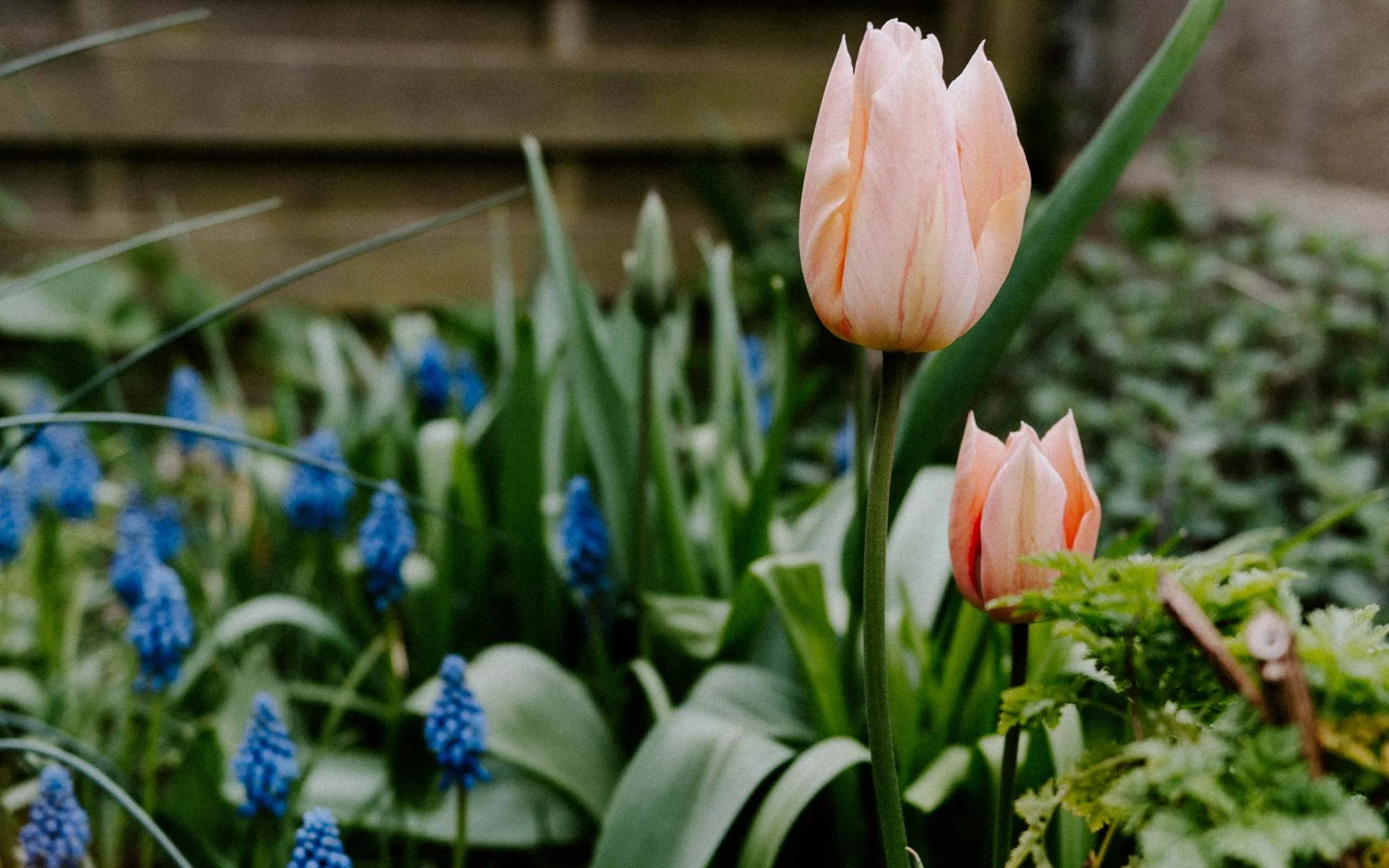
Welcome to the March edition of A Pattern Designer’s Garden.
As March draws to an end and it finally feels like Spring here in Essex, I thought it would be fun to begin a new blog series where I will show you this month's highlights from the garden, and how we can use nature to inspire our interiors.
Flowers and plants feature heavily in Interior design, through wallpapers, textiles and accessories. It’s more important than ever to find that correlation between the natural world and our homes. So I’m hoping this series will inspire you with ideas for incorporating more of the garden into your own homes.
My passion for gardening has grown and grown over the past few years, and has now reached the ultimate peak of obsession. But as a surface pattern designer, it's hardly a bad thing, as there's a strong connection between pattern design and gardening.
This year, I'm growing both flowers and vegetables. But for the sake of this series, I'm focusing mainly on flowers since they are the biggest inspiration behind my creative work. A lot of this month has been spent in the dreaming and planning phase. This is when we can really think about the vision we have for our gardens this year, which is especially important for annual flowers, as now is the perfect time to get ordering those seeds!
The biggest highlights over the past couple of months have to be the spring bulbs. I went a little overboard last autumn and planted 3,000 bulbs on top of the ones I planted over the previous few years. Everyone thought I was crazy at the time, but I'm so glad that I took the plunge.
For starters, my garden is the width of a terrace house, but 230ft long, so even though 3k bulbs sounds like a lot, it really isn't (honestly). And I’m going for a Monet-inspired garden, so planting flowers en masse is everything!
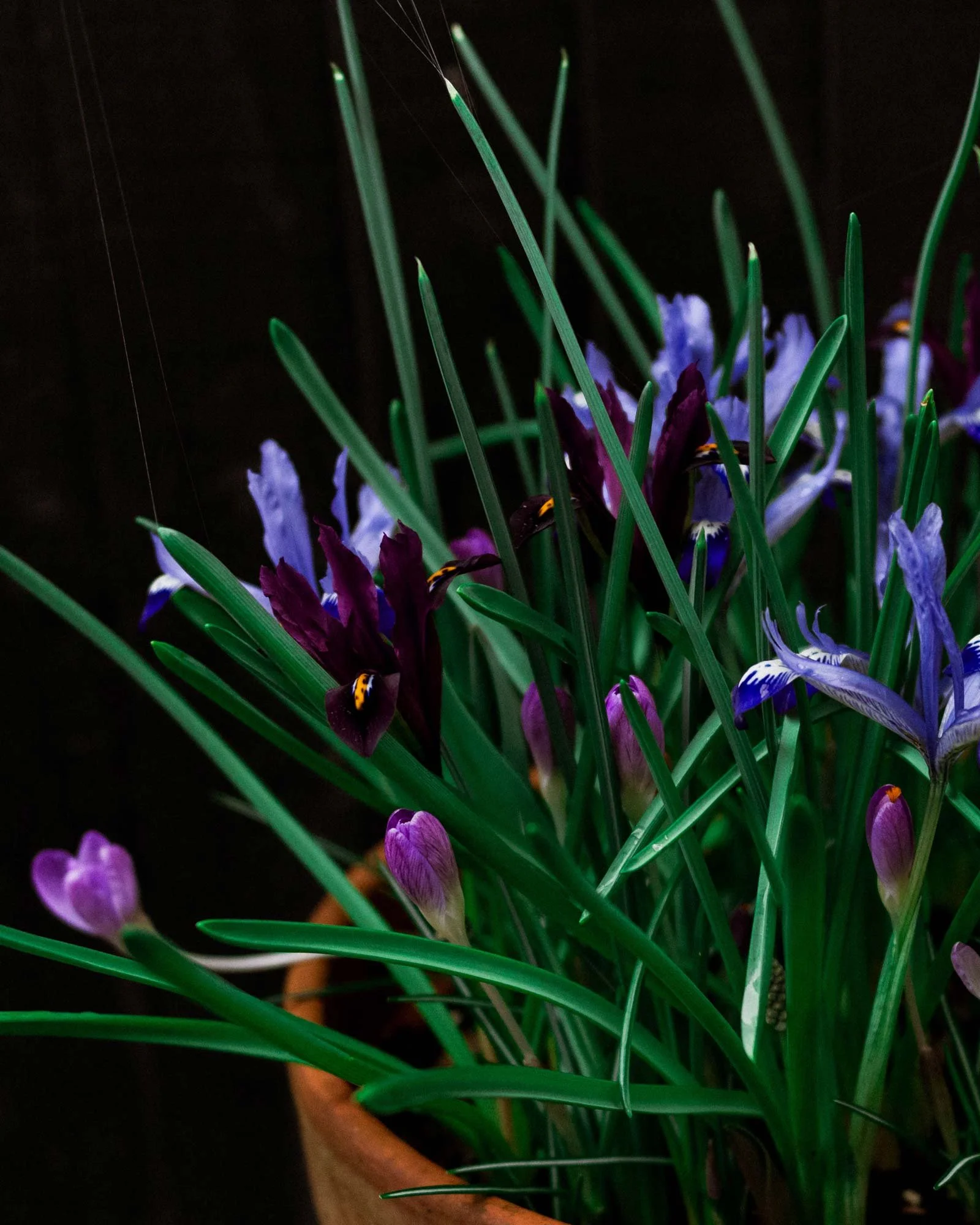
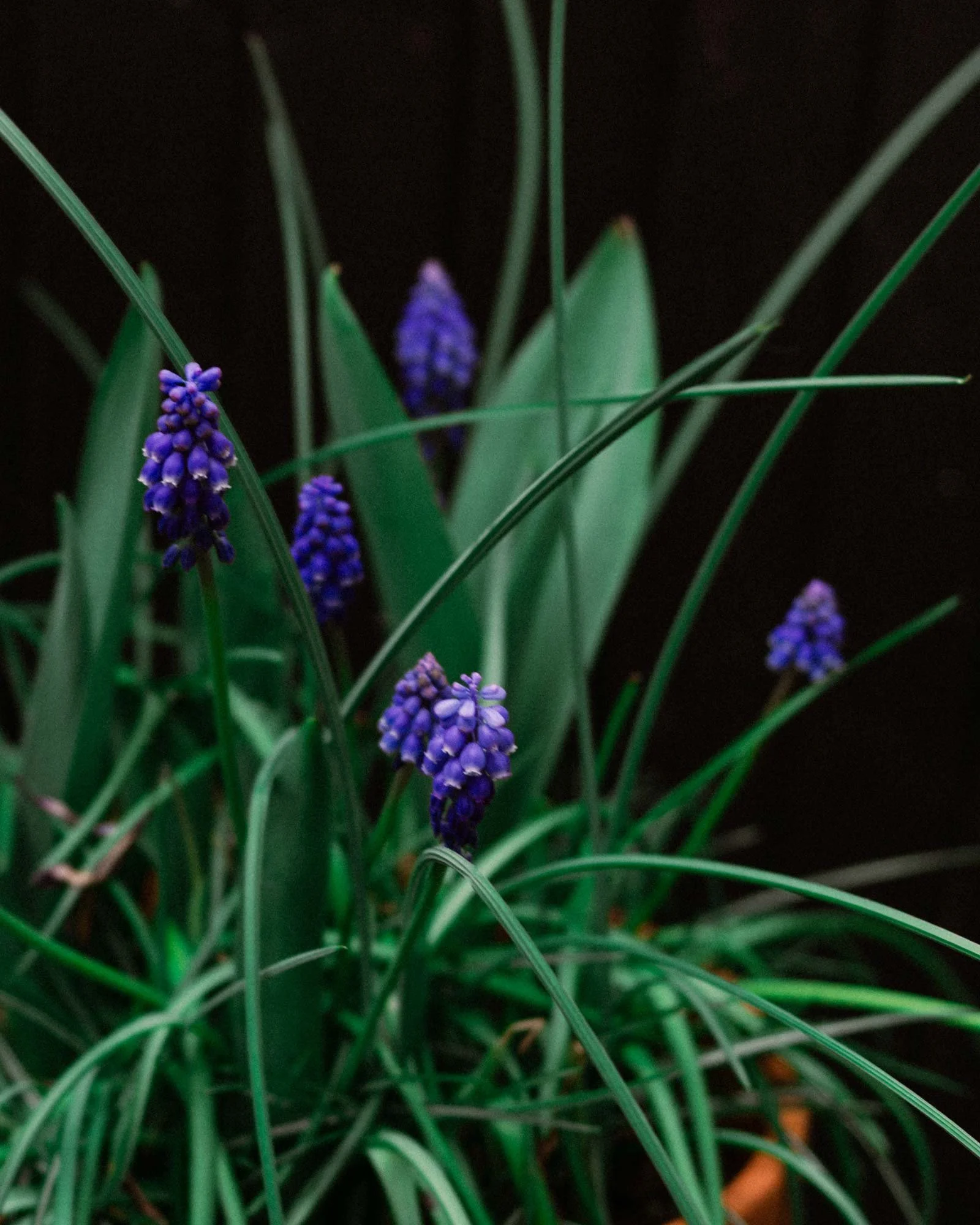
I also did bulb lasagnes for the first time, which have given me so much joy already, and they are still going. Last month, I was delighted by crocuses and iris, which looked so magical together. Now it's transitioning into muscari, with tulips and alliums on the way. I can see now why these lasagnes are such a popular way to plant bulbs. The flowers can be so fleeting, so it's important to have that succession of blooms. If you haven't done this before, I highly recommend it.
The opportunities for different colour palettes and styles are endless. So they are a perfect way to extend our own interior style into the garden. Especially as a way to decorate the front door, to give us beautiful flowers as we leave and enter our house.
The wildflower meadow is starting to grow, although I need to do a fair bit of maintenance on it to rejuvenate it. The nettles had an explosion last year, and now I have the tedious job of pulling them all out. I'm a huge advocate for wildlife gardens, but the amount of nettles we have in our garden is getting unmanageable, so I need to keep on top of them and plant some alternative plants for the caterpillars to munch on.
March also marks the beginning of seed sowing. I went crazy with the seed purchases this year, but I’m so keen to have an abundance of flowers that it will be worth it in the end. Starting flowers from seeds is the perfect way to grow a garden on a budget, as well as being incredibly rewarding. There's something special about nurturing a plant from seed into bloom. There's also a lot more variety of flower varieties and colours when you grow from seed versus buying the plants from garden centres. Alma Proust has a beautiful selection of pastel and muted colours.
Most of my seeds will be sown next month, but I made a start with the Cosmos, Lady’s Bedstraw, Borage and Sweet Peas.
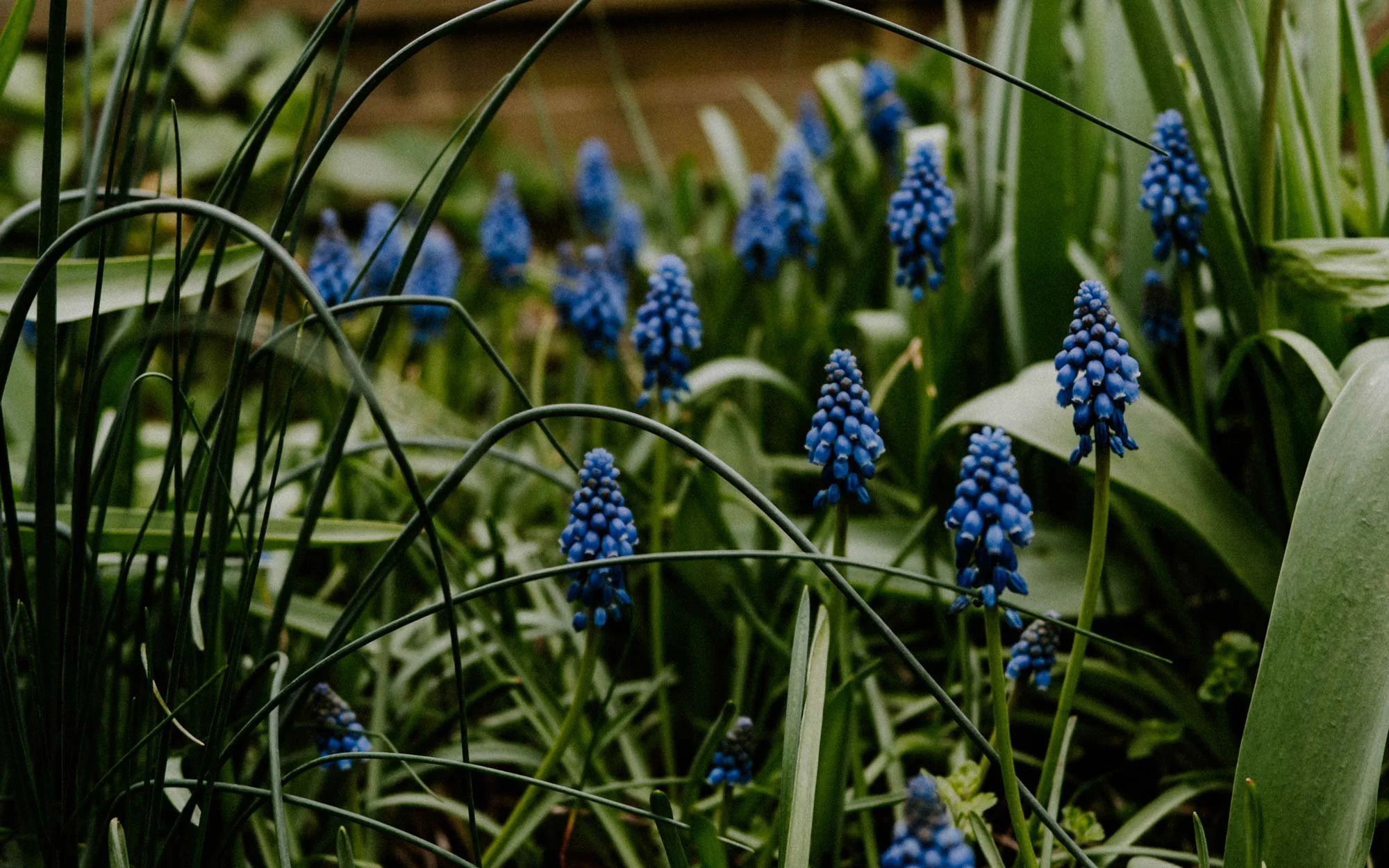
The Muscari is in full bloom this month, covering my flower beds in a sea of deep blue flowers.
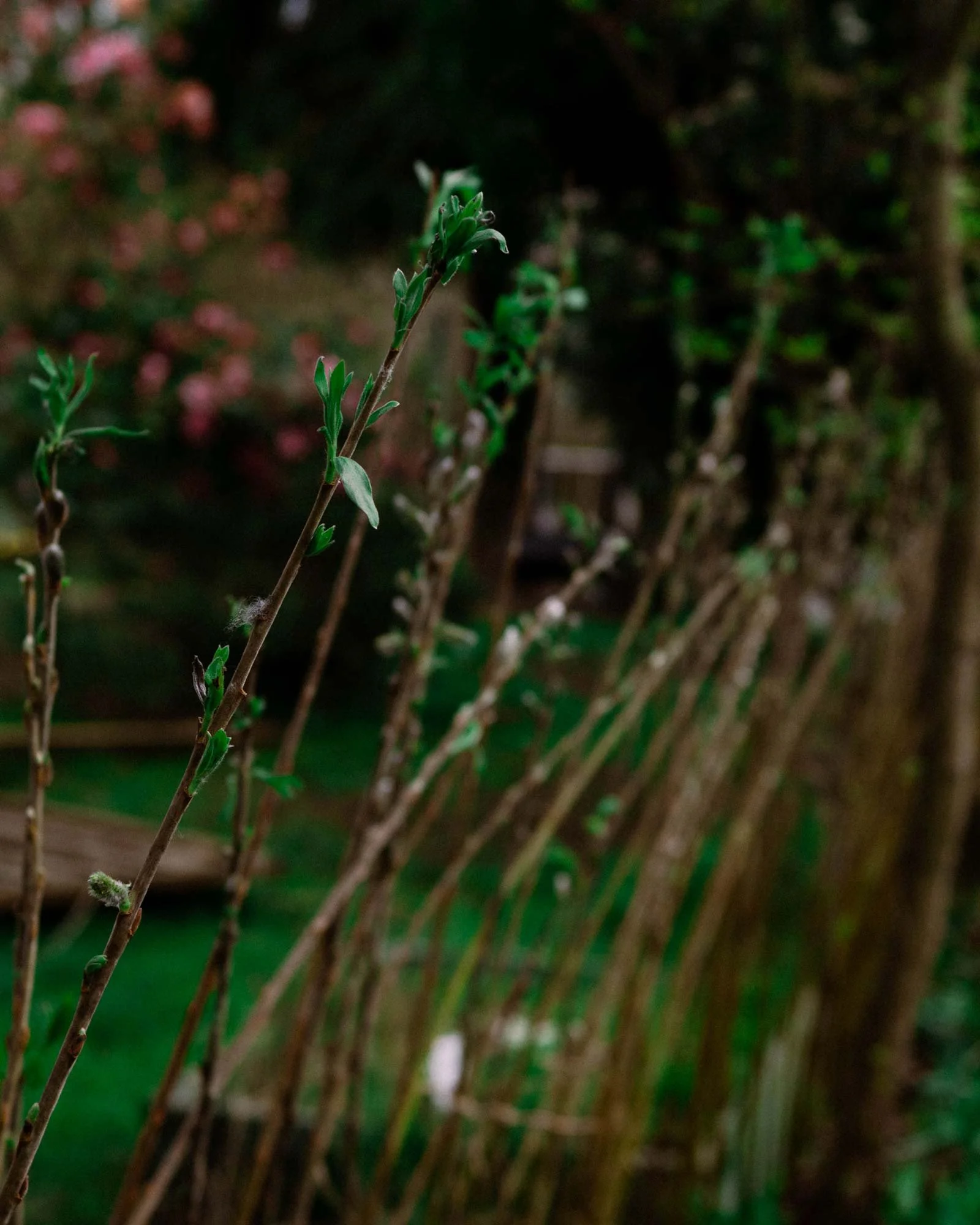
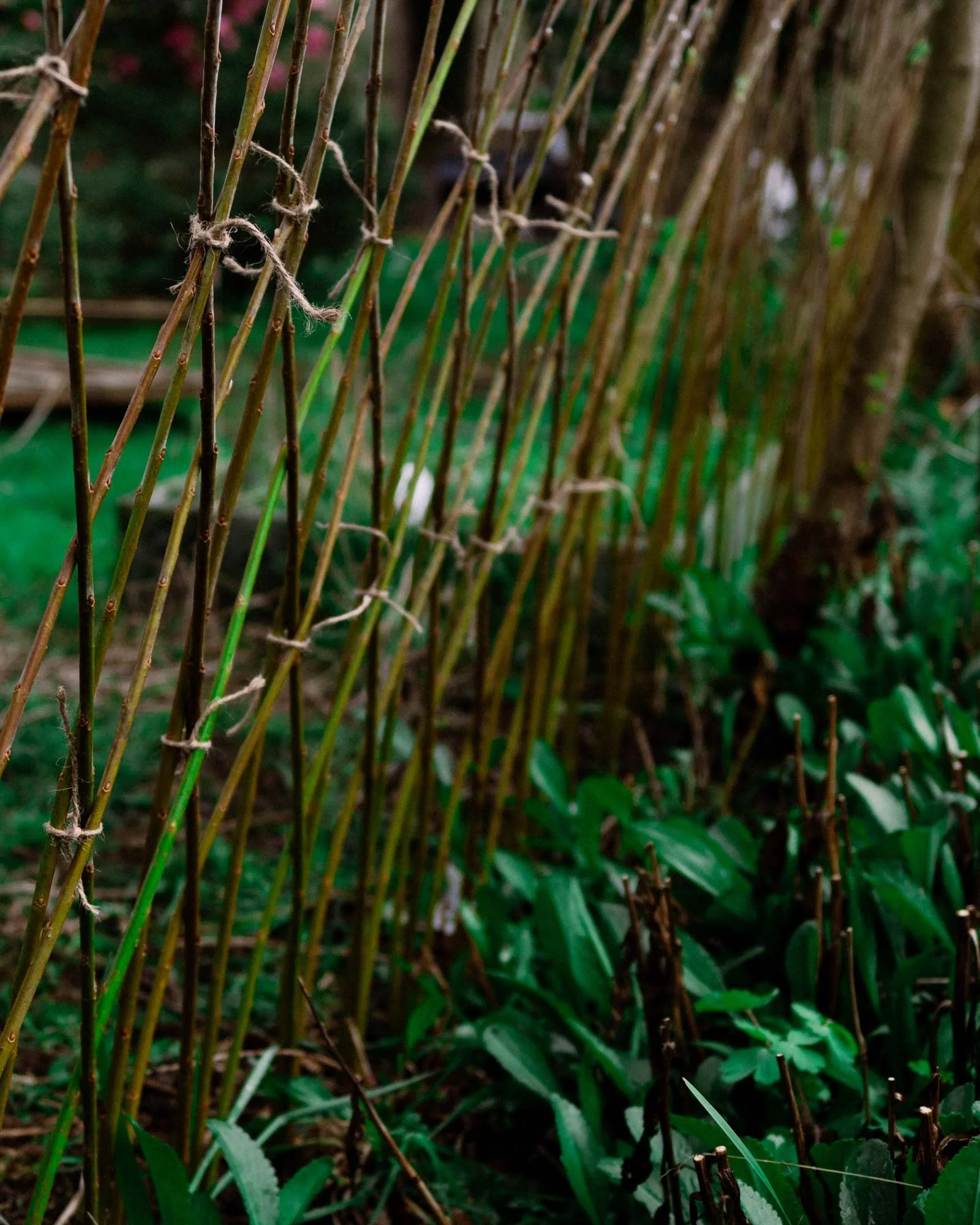
We also ordered more living willow to create a fedge. If you haven’t heard of it before, it’s essentially a cross between a fence and a hedge. It’s made from planting living willow stems into the ground and weaving them together to form a fence. The plants will then grow roots and become a living fence, which will continue to grow each year. I’m very much envisioning a garden fence giving serious William Morris vibes.
The main thing this month has taught me is how much I miss spending time outside in nature. It’s so rewarding to get away from screens and start working on something that feels special and momentous. I’ve heard the term ‘guardian’ being used before with some gardeners, and I love the idea of becoming a guardian of our gardens. Someone who is entrusted with these special places and is there to nurture them and the wildlife that inhabits them. More of a curator than a manufacturer.
Which is perhaps something we could consider more when it comes to our homes as well. How could we become a guardian of our homes, especially period properties that have a strong character and history behind them?